
Paro
Historic dzongs, sacred sites and an open Himalayan valley.
Paro photo 1 of 3. 01 / 03
DISCOVER PARO
About Paro
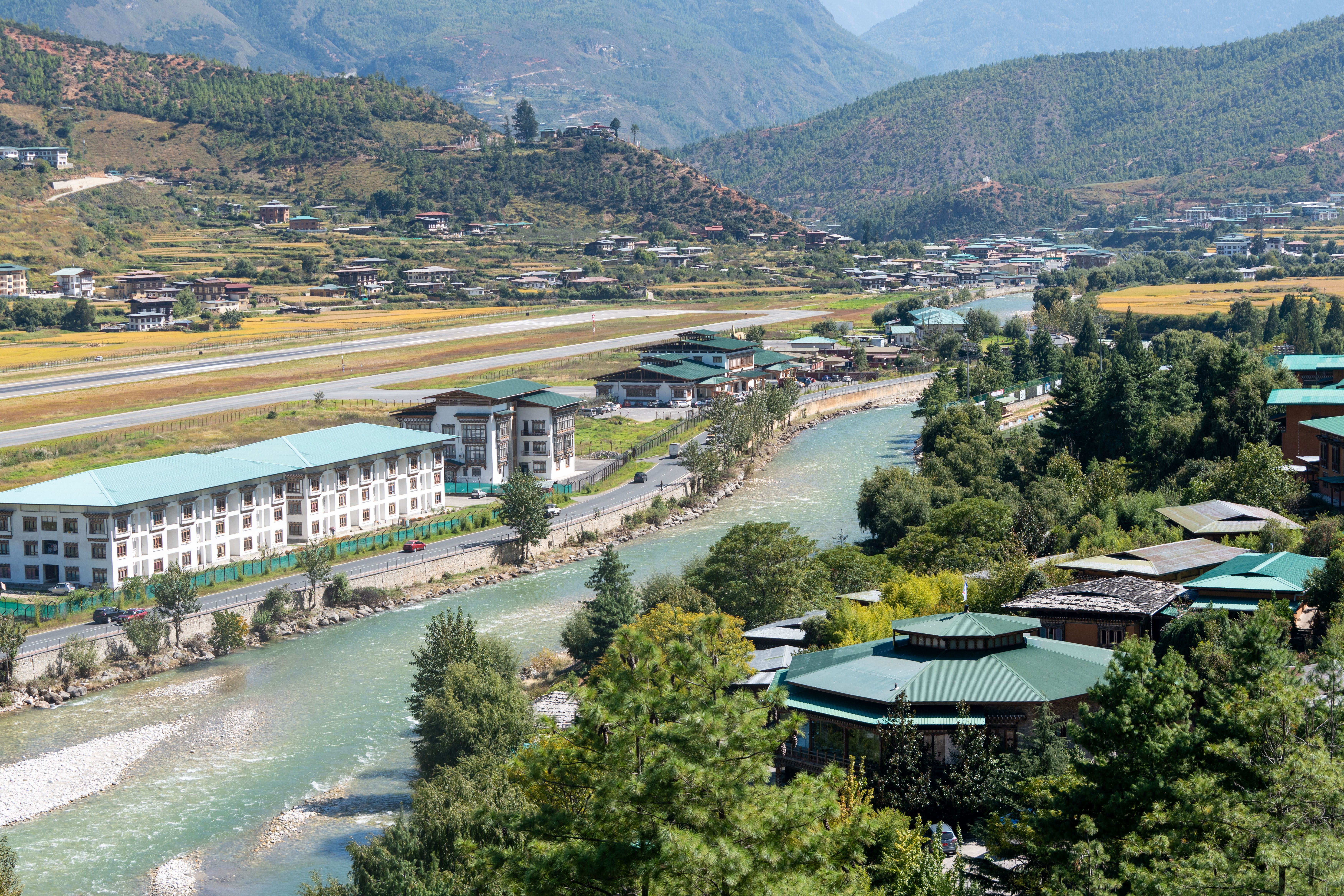
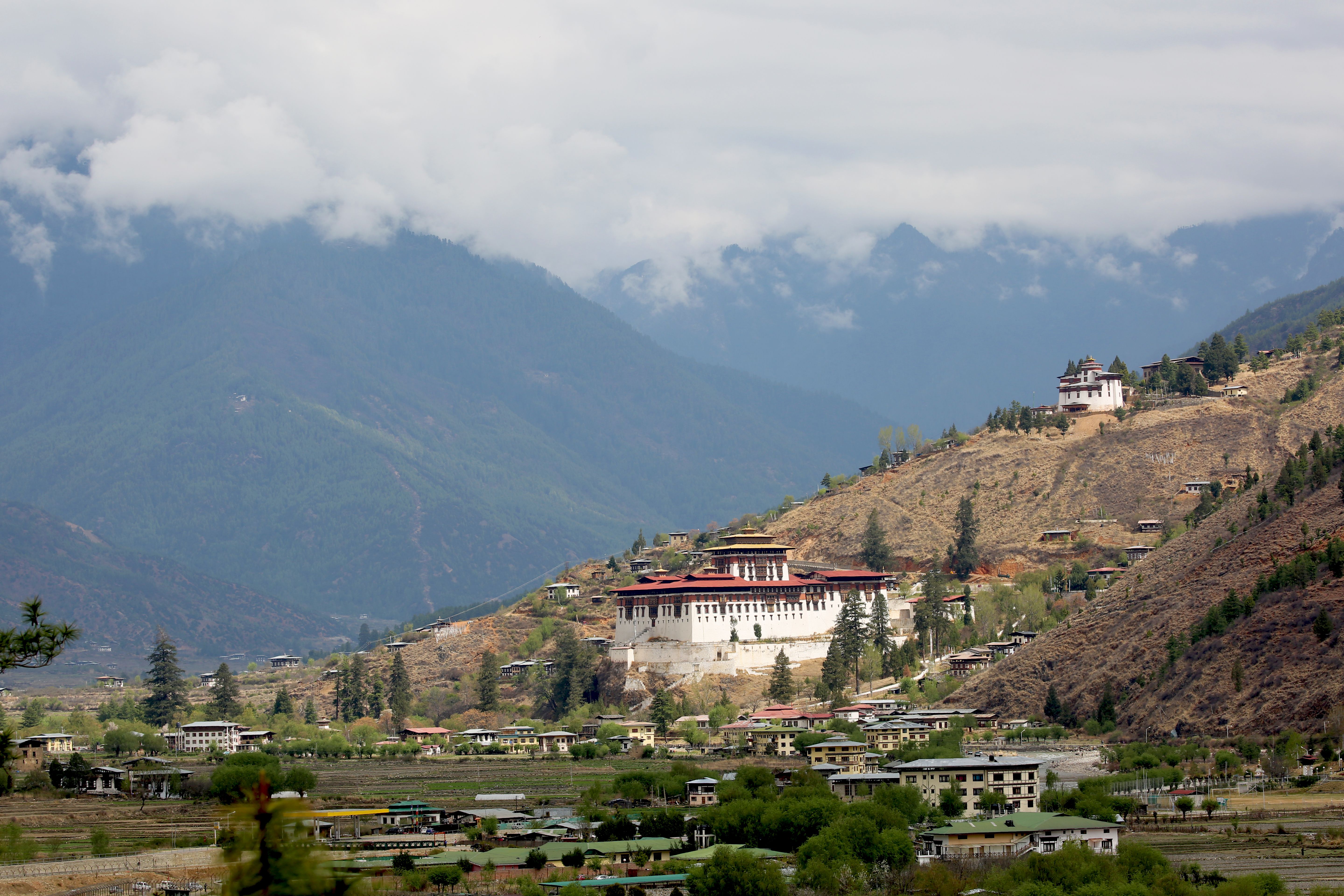
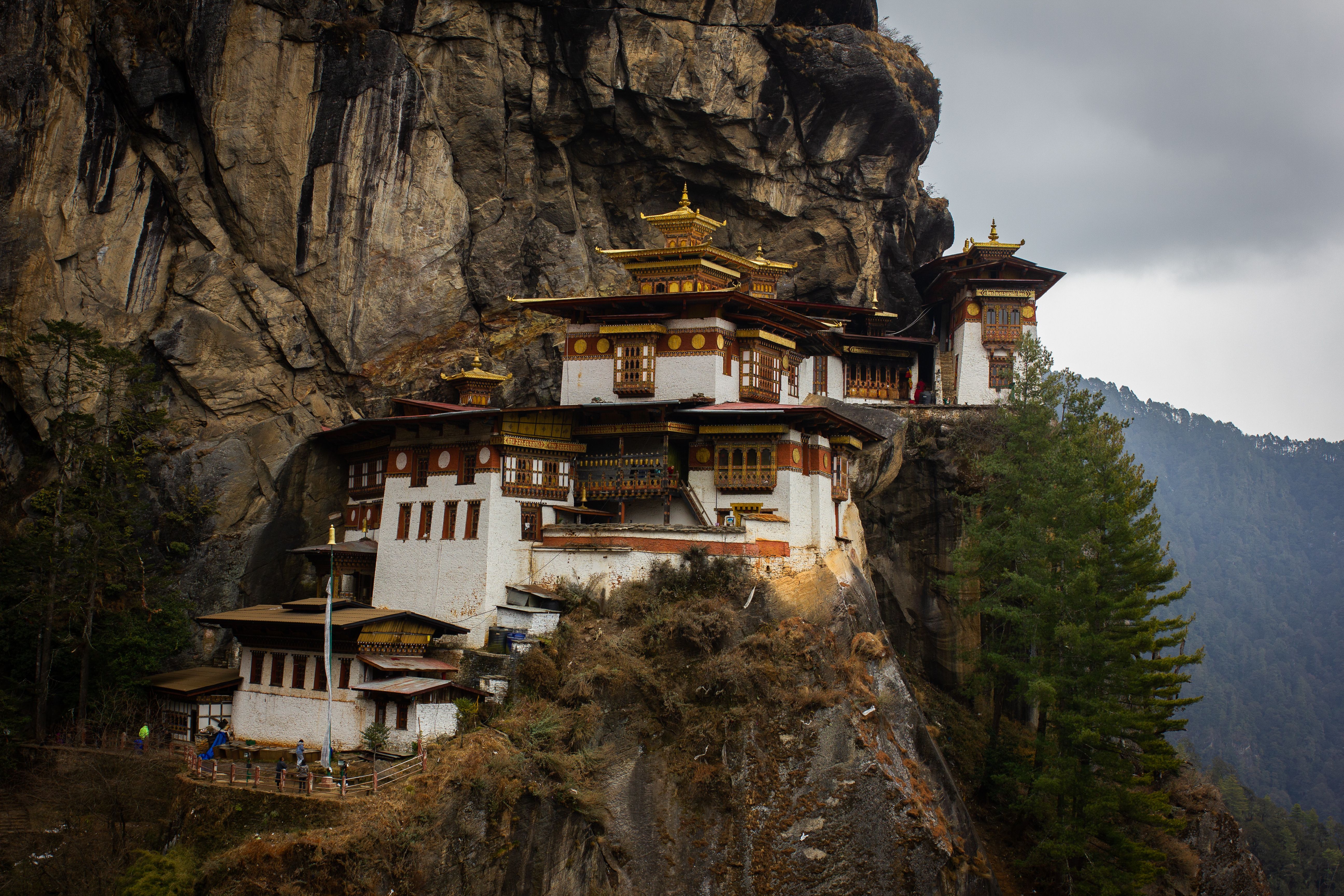
Nestled in a broad, fertile valley in western Bhutan, Paro is a place where living culture, dramatic landscapes, and centuries of legend meet. Its name is woven into hundreds of myths and stories, and its sacred sites are among the oldest and most revered in the Himalayan Kingdom. Paro is home to many of Bhutan's earliest temples and monasteries, including the cliff-hugging Paro Taktsang (Tiger's Nest), as well as the National Museum, housed in the historic Ta Dzong watchtower. It is also the site of the country's only international airport, and its approach, threading between steep Himalayan peaks, is considered one of the most thrilling landings in the world. For many travelers, it is the first glimpse of Bhutan. At the northern end of the valley, Mount Chomolhari (7,314 m) rises in luminous white splendor, a sacred peak whose glacial meltwater tumbles through deep gorges to form the Pa Chhu (Paro River). The river winds gracefully through the valley floor, nourishing the land along its banks. That water also makes Paro one of the most fertile valleys in the Kingdom. Its terraced fields ripple down the hillsides in shifting shades of green and gold, producing the bulk of Bhutan's celebrated red rice, a nutty, nutrient-rich grain beloved across the country. With its blend of spiritual heritage, pastoral beauty, and warm hospitality, Paro offers a deeply memorable introduction to the Land of the Thunder Dragon.
Loading contact options...